Ozempic Blindness: Understanding The Risks And Setting The Record Straight - Ozempic is a prescription medication used primarily to manage type 2 diabetes. It belongs to a class of drugs called GLP-1 receptor agonists, which work by mimicking the action of the hormone GLP-1 (glucagon-like peptide-1). This hormone helps regulate blood sugar levels by increasing insulin production and reducing the amount of glucose released by the liver. Ozempic blindness remains a topic of concern, but current scientific evidence does not establish a direct link between the medication and permanent vision loss. While some patients may experience temporary vision changes, these issues are often manageable with proper medical guidance.
Ozempic is a prescription medication used primarily to manage type 2 diabetes. It belongs to a class of drugs called GLP-1 receptor agonists, which work by mimicking the action of the hormone GLP-1 (glucagon-like peptide-1). This hormone helps regulate blood sugar levels by increasing insulin production and reducing the amount of glucose released by the liver.
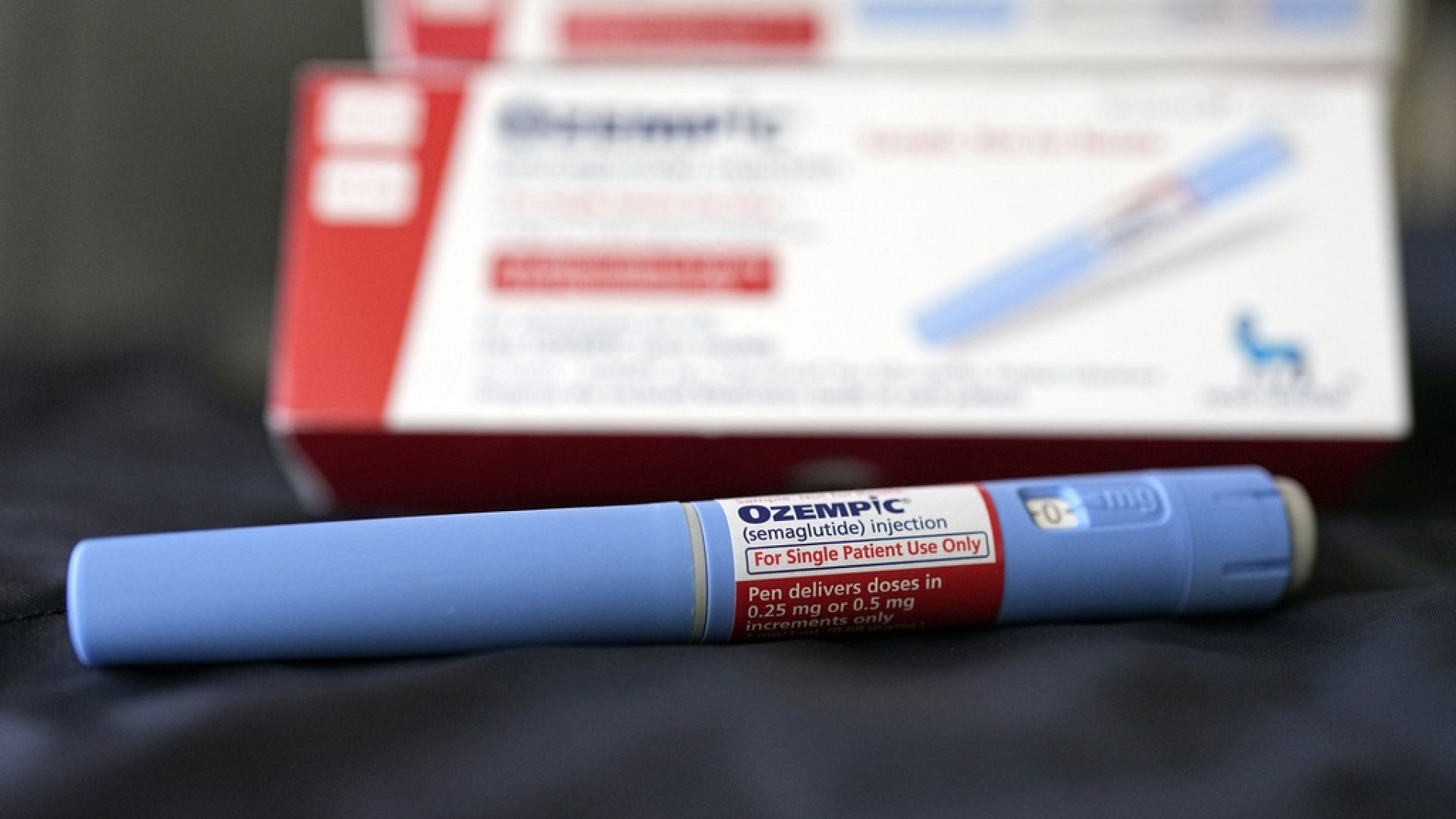
Several factors could contribute to vision issues while using Ozempic:
To minimize the risk of side effects, including vision problems, follow these precautions:
Ozempic, a medication containing semaglutide, has gained significant attention due to its effectiveness in treating type 2 diabetes and aiding in weight management. However, as with any medication, there are concerns about potential side effects. Among these concerns, the possibility of Ozempic causing blindness has sparked debates and raised questions among patients and healthcare professionals alike.
Ozempic blindness has become a topic of concern for many individuals using this popular medication. While Ozempic is widely prescribed for managing type 2 diabetes and weight loss, there are growing discussions about its potential side effects, including vision problems. In this article, we will explore the connection between Ozempic and blindness, providing you with comprehensive insights to help you make informed decisions about your health.
There is no conclusive evidence suggesting that Ozempic causes permanent vision loss. Most reported vision changes are temporary and resolve once the underlying cause is addressed.
Ozempic is generally considered safe for long-term use when prescribed and monitored by a healthcare professional. However, regular check-ups and adherence to dosage guidelines are essential to minimize risks.
Your doctor will provide personalized recommendations based on your individual health needs.
The concern about Ozempic blindness stems from anecdotal reports and some clinical observations. While there is no definitive evidence linking Ozempic directly to blindness, some patients have experienced vision changes while using the medication. These changes may include blurred vision, dry eyes, or floaters.
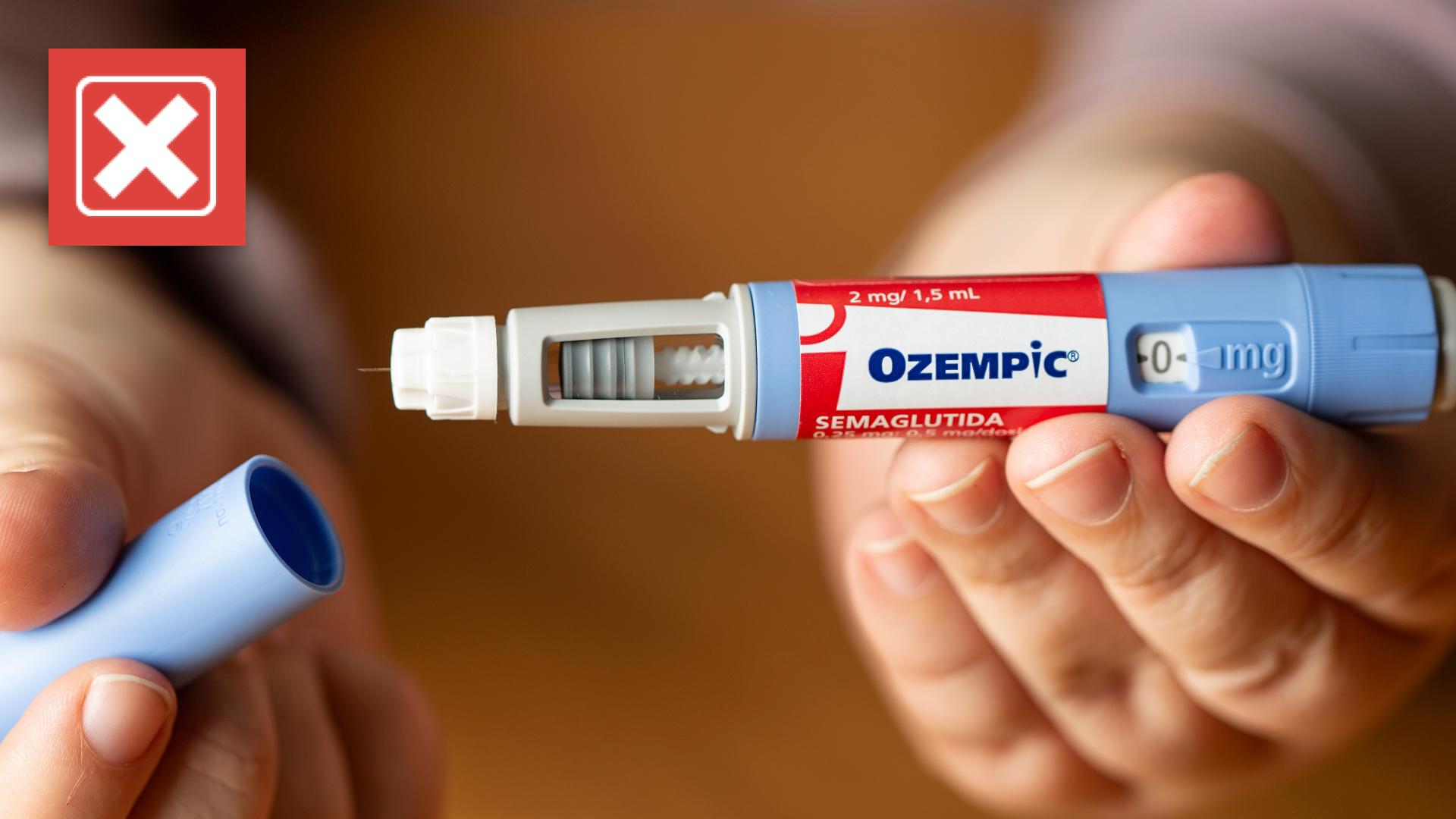
Current scientific studies do not establish a direct causal relationship between Ozempic and blindness. However, ongoing research aims to investigate potential links between GLP-1 receptor agonists and ocular health. For example, a 2025 study published in the Journal of Clinical Endocrinology & Metabolism examined the effects of semaglutide on retinal function, concluding that further investigation is necessary.
Discuss these alternatives with your healthcare provider to determine the best course of action for your specific situation.
This article aims to provide a thorough understanding of Ozempic blindness, exploring scientific evidence, expert opinions, and recommendations to ensure that you have all the necessary information to navigate this topic confidently. Whether you're a patient, caregiver, or healthcare provider, this guide will equip you with the knowledge you need.