Understanding Executive Orders: A Comprehensive Guide - This article aims to provide an in-depth exploration of executive orders, their history, purpose, and significance. By understanding their mechanics and implications, we can better appreciate their role in shaping the modern political environment. Executive orders can vary in purpose and scope, depending on the issue they address. Some common types include:
This article aims to provide an in-depth exploration of executive orders, their history, purpose, and significance. By understanding their mechanics and implications, we can better appreciate their role in shaping the modern political environment.
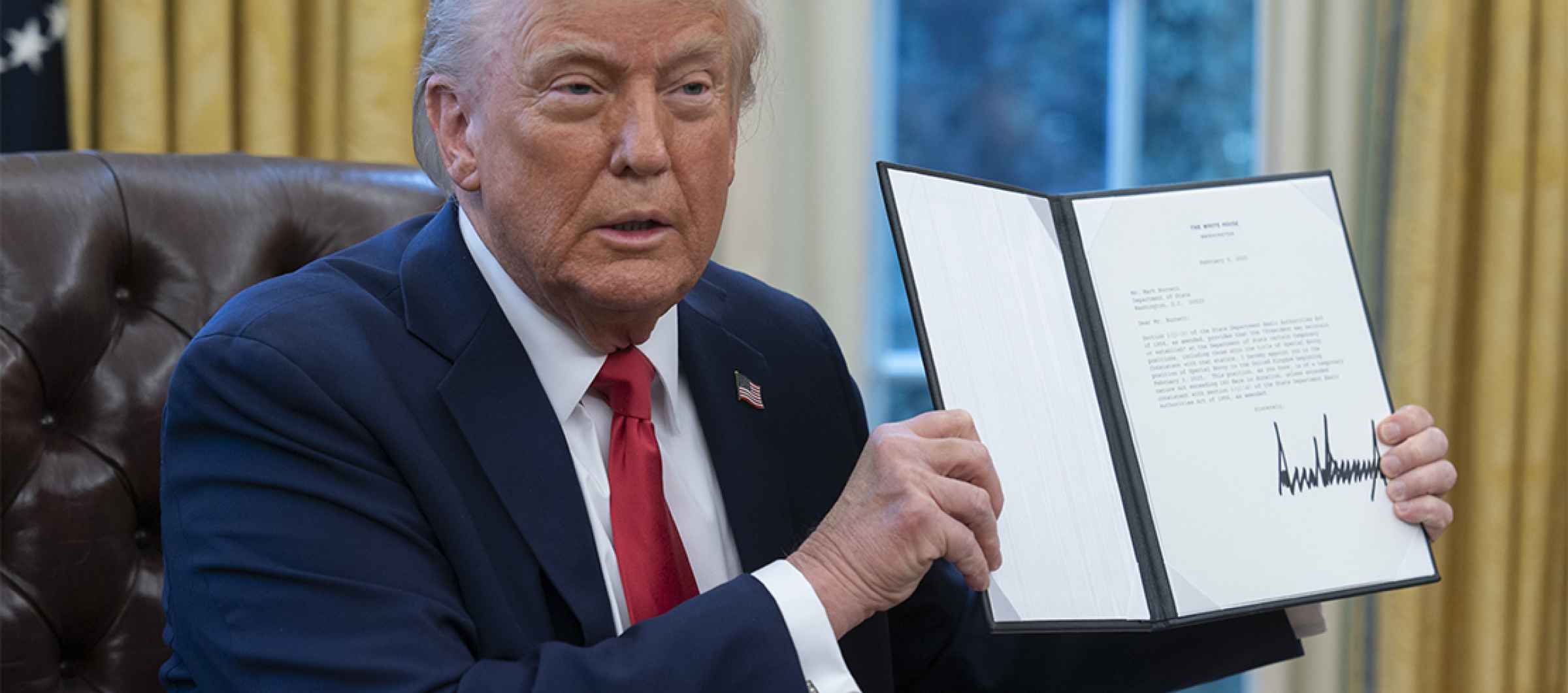
Executive orders are numbered sequentially and include a title, preamble, and detailed provisions. They must clearly articulate the purpose, scope, and legal basis for the order. While the president has significant discretion in issuing executive orders, they must still comply with constitutional and statutory limits.
These orders are typically used to clarify or enforce existing laws, reorganize federal agencies, or establish new policies. They carry the weight of law and must align with the Constitution and statutes passed by Congress. However, their effectiveness can vary depending on the political climate and judicial interpretation.
President Barack Obama's executive order establishing DACA provided temporary relief for undocumented immigrants brought to the U.S. as children. This order highlighted the potential of executive actions to address complex social issues, even in the face of legislative gridlock.
As with any tool of executive power, executive orders must be used responsibly and within constitutional limits. By balancing the need for effective governance with the principles of democracy and accountability, we can ensure that executive orders serve the best interests of the nation.
Throughout history, executive orders have been used to implement major policy changes, often sparking debates about their legality, scope, and impact. From civil rights advancements to environmental regulations, these directives have left lasting imprints on the nation's legal and political landscape.

Congress also plays a role in shaping the effectiveness of executive orders. By passing new legislation or withholding funding, Congress can counteract or limit the impact of certain orders. These checks and balances ensure that executive orders remain within constitutional bounds.
What is an Executive Order and How Does it Work? ACLU of South Dakota
Despite their utility, executive orders have been the subject of controversy and debate. Critics argue that they allow presidents to bypass Congress and expand executive power beyond constitutional limits. Others contend that they undermine the system of checks and balances, concentrating too much authority in the executive branch.
The concept of executive orders dates back to the early days of the American presidency. While the Constitution does not explicitly mention executive orders, Article II grants the president the authority to "take Care that the Laws be faithfully executed." This broad mandate has been interpreted to allow presidents to issue executive orders as a means of executing their responsibilities.
Issued by President Franklin D. Roosevelt in 1942, this order authorized the internment of Japanese Americans during World War II. While it addressed perceived national security concerns, it also raised significant civil liberties issues, leading to widespread criticism and eventual apologies from subsequent administrations.
These orders focus on managing the operations of federal agencies and ensuring compliance with laws. They may involve reorganizing departments, establishing new rules, or streamlining processes.